bakersbenchboulangerie

Let’s Talk Chocolate

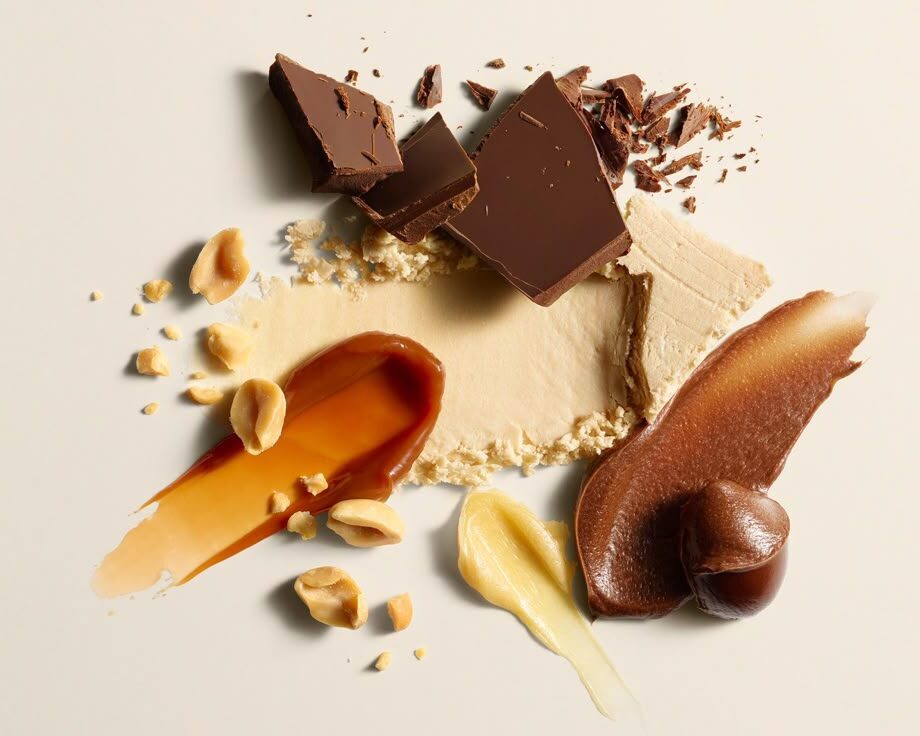
Chocolate is at the heart of most desserts — but not all chocolate behaves the same. Here’s a quick guide to help you choose the right one.

Chocolate Types

◆ Dark Chocolate

Rich, intense, and slightly bitter — this is what most baking recipes call for.

◆ Milk Chocolate

Sweeter and creamier, perfect for ganache, fillings, and indulgent desserts.

Specialty Chocolate

◆ White Chocolate

Not technically chocolate (no cocoa solids!), but adds a beautiful creamy sweetness.

◆ Cocoa Butter

The fat extracted from cocoa beans — responsible for chocolate’s silky texture.

Chocolate Tempering

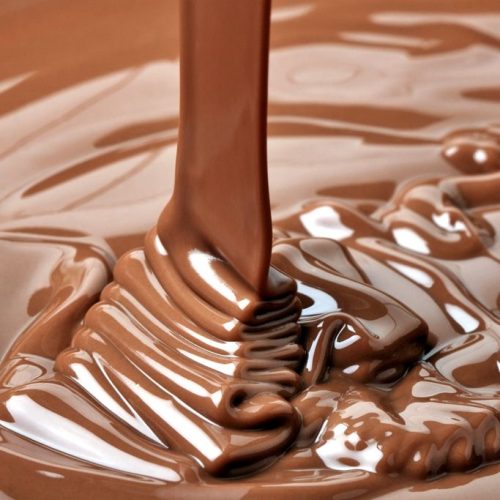
The secret behind glossy, professional-looking chocolate.

chocolate flow

Why Tempering Matters?


Glossy Finish

🍫
Clean Snap

🧈
Smooth Texture

❄️
Stable Structure

Process

1. 🔥 Melt

Melt the chocolate completely to remove all existing crystals.

2. ❄️ Cool

Cool it down to form stable crystals.

3. 🌡 Reheat

Gently reheat to make it smooth and workable again.

Tempered vs Untempered Comparison

Tempered Chocolate

✔ Shiny

✔ Clean snap

✔ Smooth

✔ Stable

Untempered Chocolate

✖ Dull

✖ Soft

✖ Grainy

✖ Melts easily

Usage + Tip

When to temper chocolate?

✔ Chocolate bars

✔ Bonbons

✔ Coating & dipping

✔ Decorative work

💡 Always use real chocolate with cocoa butter — compound chocolate won’t temper properly.

0
    0
    Your Cart
    Your cart is emptyReturn to Shop