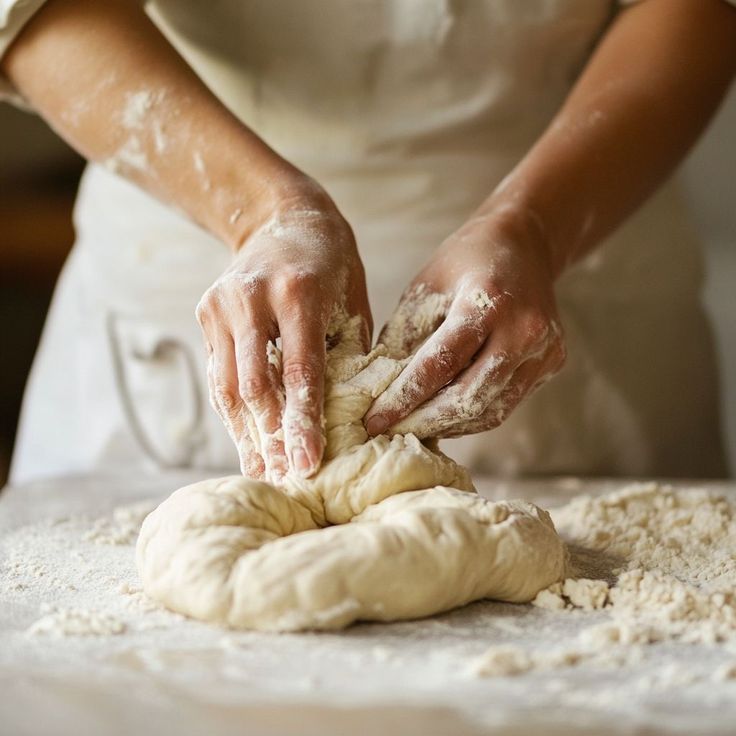
The science behind dough that rises, develops flavour, and becomes beautifully airy bread.
What Is Yeast?
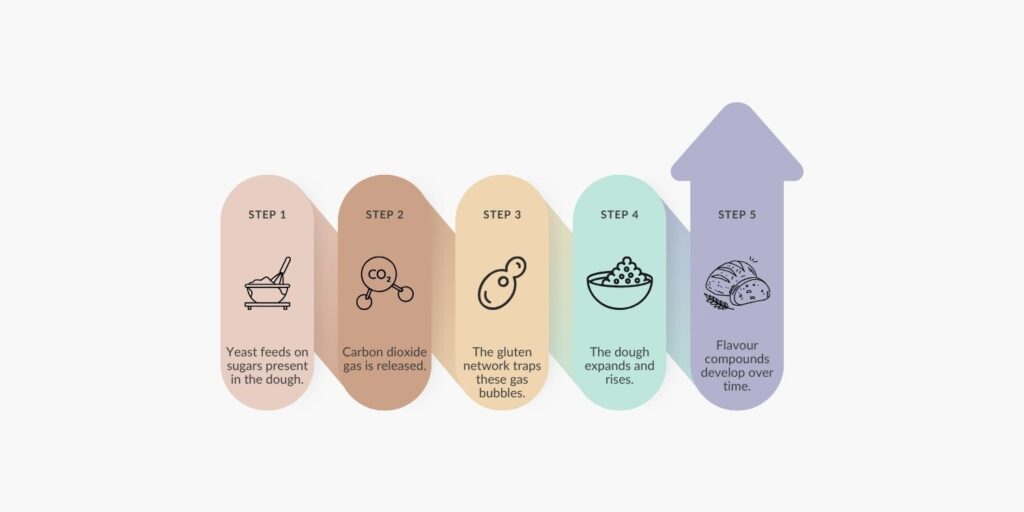
Yeast is a living microorganism that feeds on sugars present in dough. As it consumes these sugars, it produces carbon dioxide gas and alcohol through a process called fermentation.
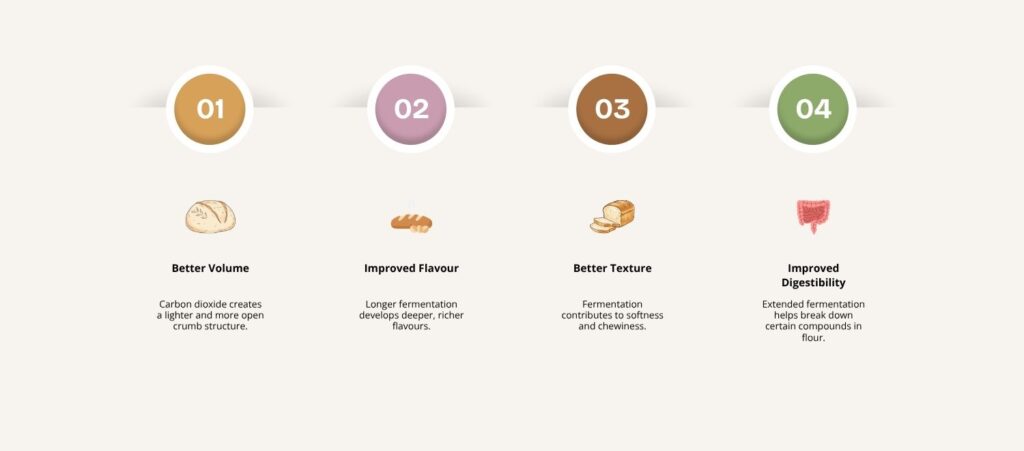
The carbon dioxide becomes trapped within the gluten network, causing the dough to expand and rise. Meanwhile, fermentation develops the complex flavours and aromas that make freshly baked bread so irresistible.
Types Of Yeast
1. Fresh Yeast
Soft and moist texture
Highly active
Common in commercial bakeries
Requires refrigeration
2. Active Dry Yeast
Granular form
Needs activation in warm water
Long shelf life
3. Instant Yeast
Fine granules
Can be mixed directly into flour
Faster and more convenient
How Fermentation Works
Why Fermentation Is Important
What Influences Yeast Activity
1. Temperature
Warm temperatures encourage faster fermentation.
2. Time
Longer fermentation creates more flavour.
3. Sugar
Provides food for yeast.
4.Salt
Controls and slows yeast activity.
Types Of Yeast
Dough Isn't Rising
Possible causes:
• Expired yeast
• Water too hot
• Room too cold
Dough Rises Too Quickly
Possible causes:
• Excess yeast
• High temperature
Weak Bread Structure
Possible causes:
• Underdeveloped gluten
• Overproofing
Key Takeaways
✓ Yeast is a living microorganism used in baking.
✓ It produces carbon dioxide through fermentation.
✓ Fermentation helps dough rise and develop flavour.
✓ Temperature, time, sugar, and salt all affect yeast activity.
✓ Proper fermentation is essential for great bread texture and taste.
Did You Know?
A single teaspoon of yeast contains billions of living cells working together to create the rise, texture, and flavour of your bread.
✕
Cookie Consent
We use cookies to improve your experience on our site. By using our site, you consent to cookies.
Cookie Preferences
Manage your cookie preferences below:
Essential cookies enable basic functions and are necessary for the proper function of the website.
Name
Description
Duration
Cookie Preferences
This cookie is used to store the user's cookie consent preferences.