Understand what makes your bakes rise — and how the right leavening creates the perfect texture.
Intro
Baking isn’t just about mixing ingredients — it’s about creating lightness and structure.
Leavening agents are what give your cakes their softness, your cookies their lift, and your breads their airy texture. Without them, most baked goods would turn out dense and flat.
What Are Leavening Agents
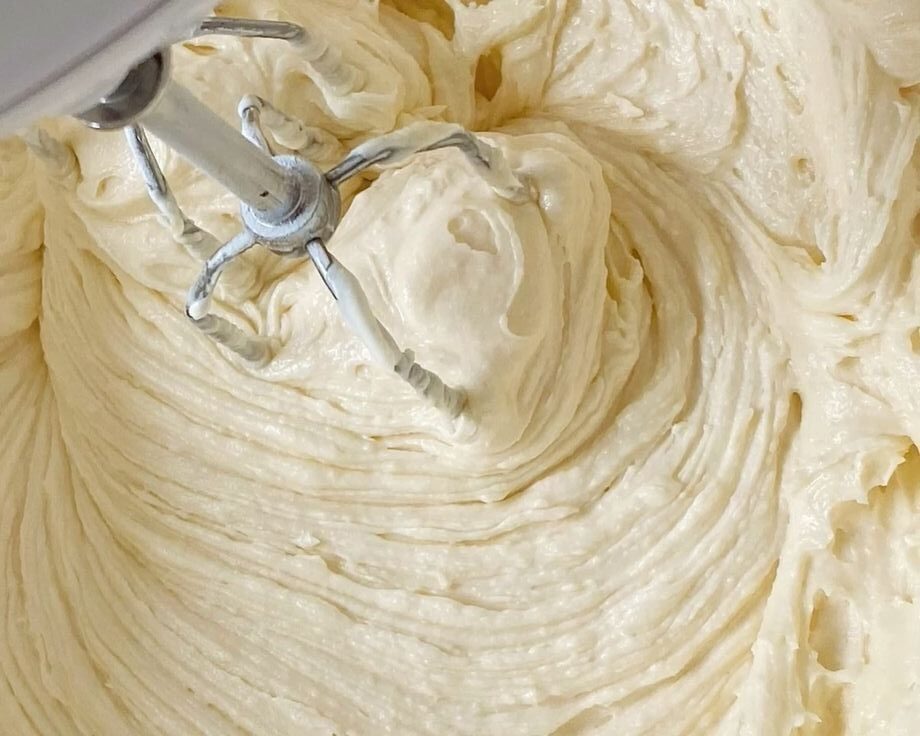
Leavening agents are ingredients that help your batter or dough rise by creating air or gas.
As the bake heats up, these tiny air pockets expand and get trapped within the structure — giving your final product volume and lightness.
Types of Leavening Agents
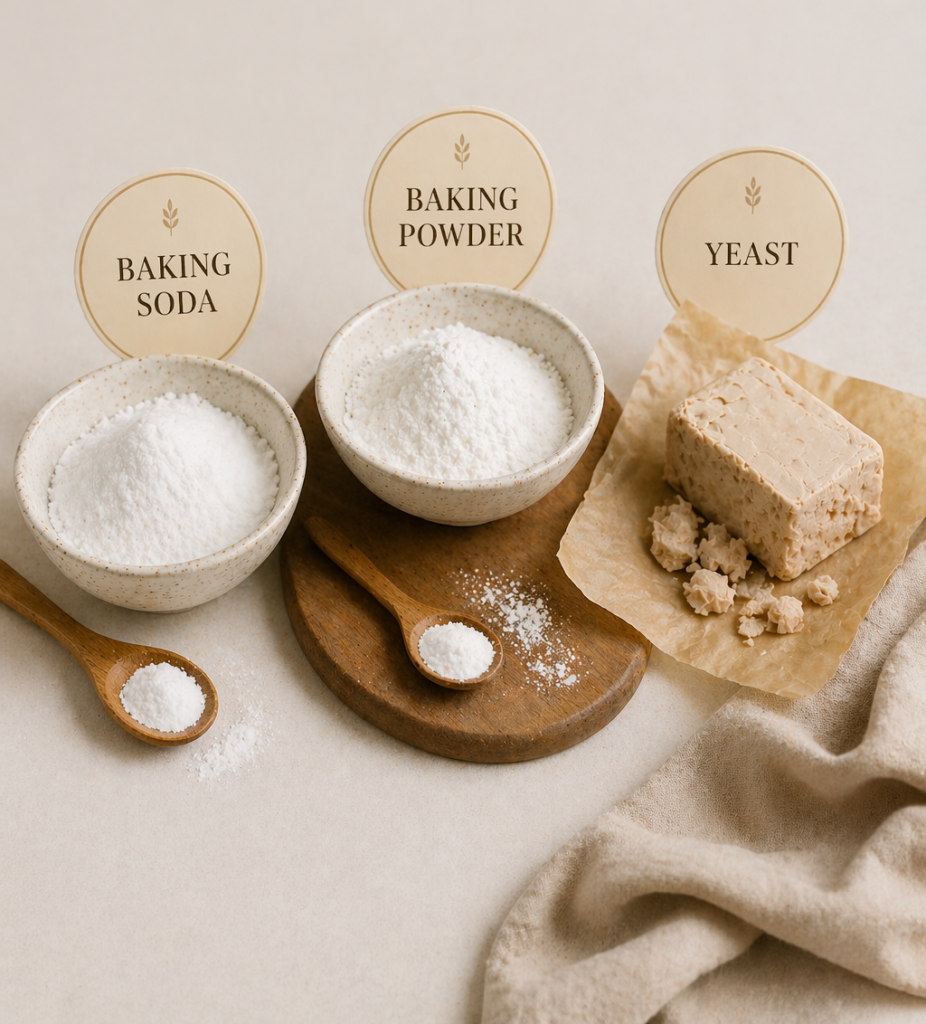
1. Baking Soda
A strong leavening agent that reacts with acidic ingredients.
👉 Acts immediately — bake your batter right away.
Works with:
• Yogurt
• Lemon juice
• Vinegar
• Buttermilk
2. Baking Powder
A complete leavening agent that already contains both acid and base.
👉 Most are double-acting:
First reaction when mixed
Second reaction when heated
3. Yeast
A natural leavening agent used mainly in breads.
👉 Works slowly by fermenting sugars, creating:
Air pockets
Chewy texture
Deeper flavour
SCIENCE
How Leavening Works
Leavening is all about creating and expanding air inside your batter or dough.
As heat is applied, these air pockets grow and get locked into the structure — giving your bake its rise and softness.
Great baking isn’t just about ingredients — it’s about understanding how they work together. Once you understand leavening, you stop guessing and start baking with confidence.
✕
Cookie Consent
We use cookies to improve your experience on our site. By using our site, you consent to cookies.
Cookie Preferences
Manage your cookie preferences below:
Essential cookies enable basic functions and are necessary for the proper function of the website.
Name
Description
Duration
Cookie Preferences
This cookie is used to store the user's cookie consent preferences.