bakersbenchboulangerie

Understanding Dough Hydration

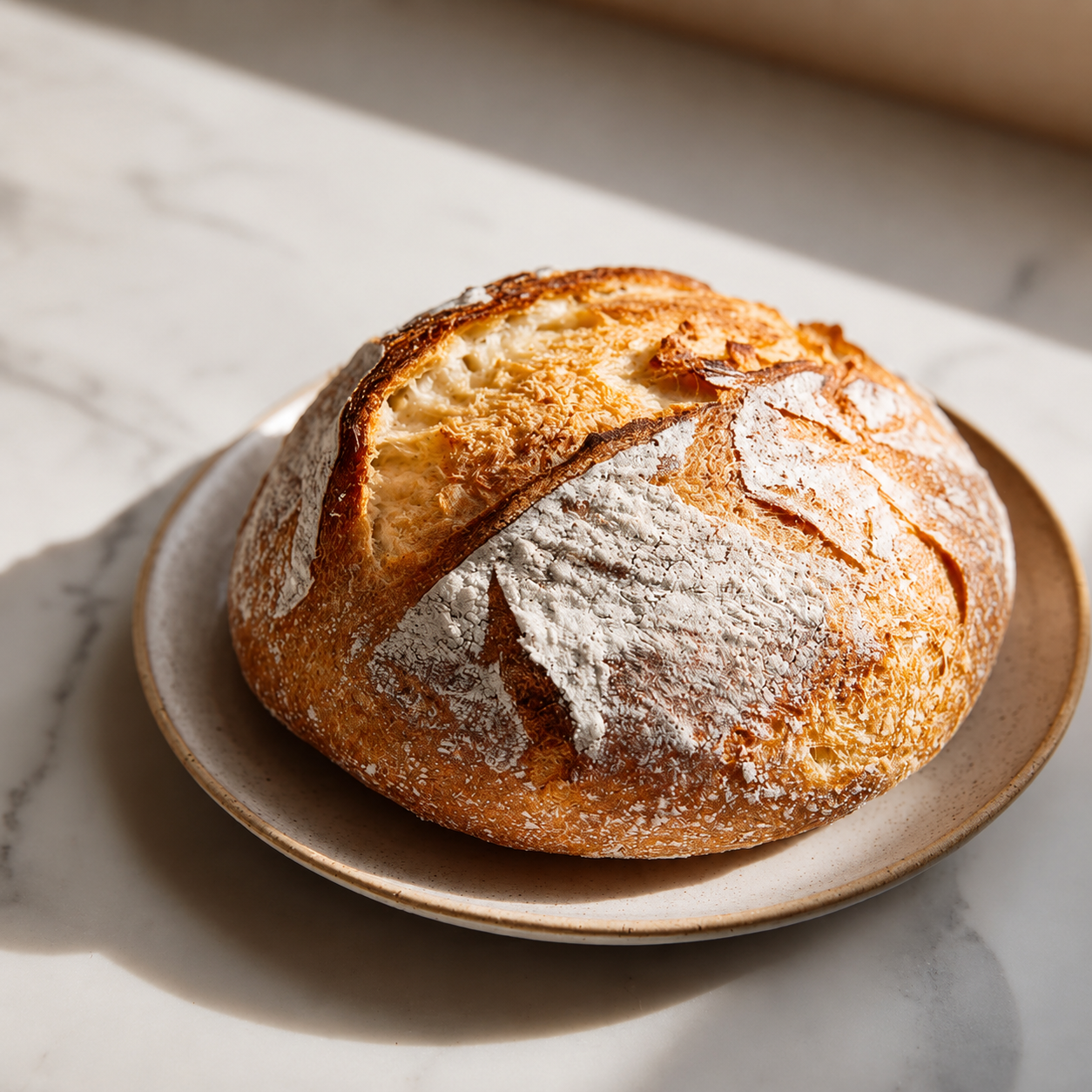
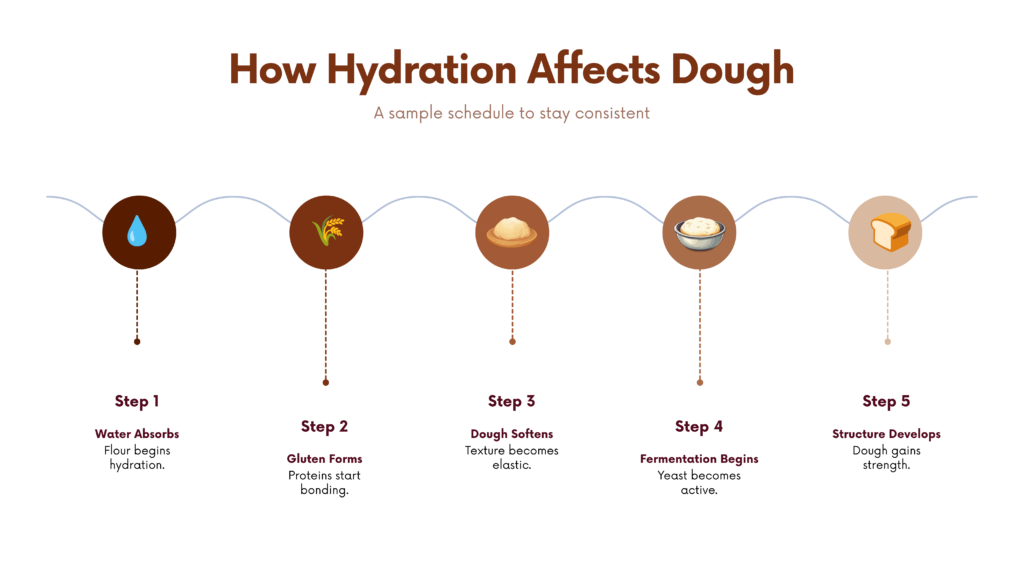
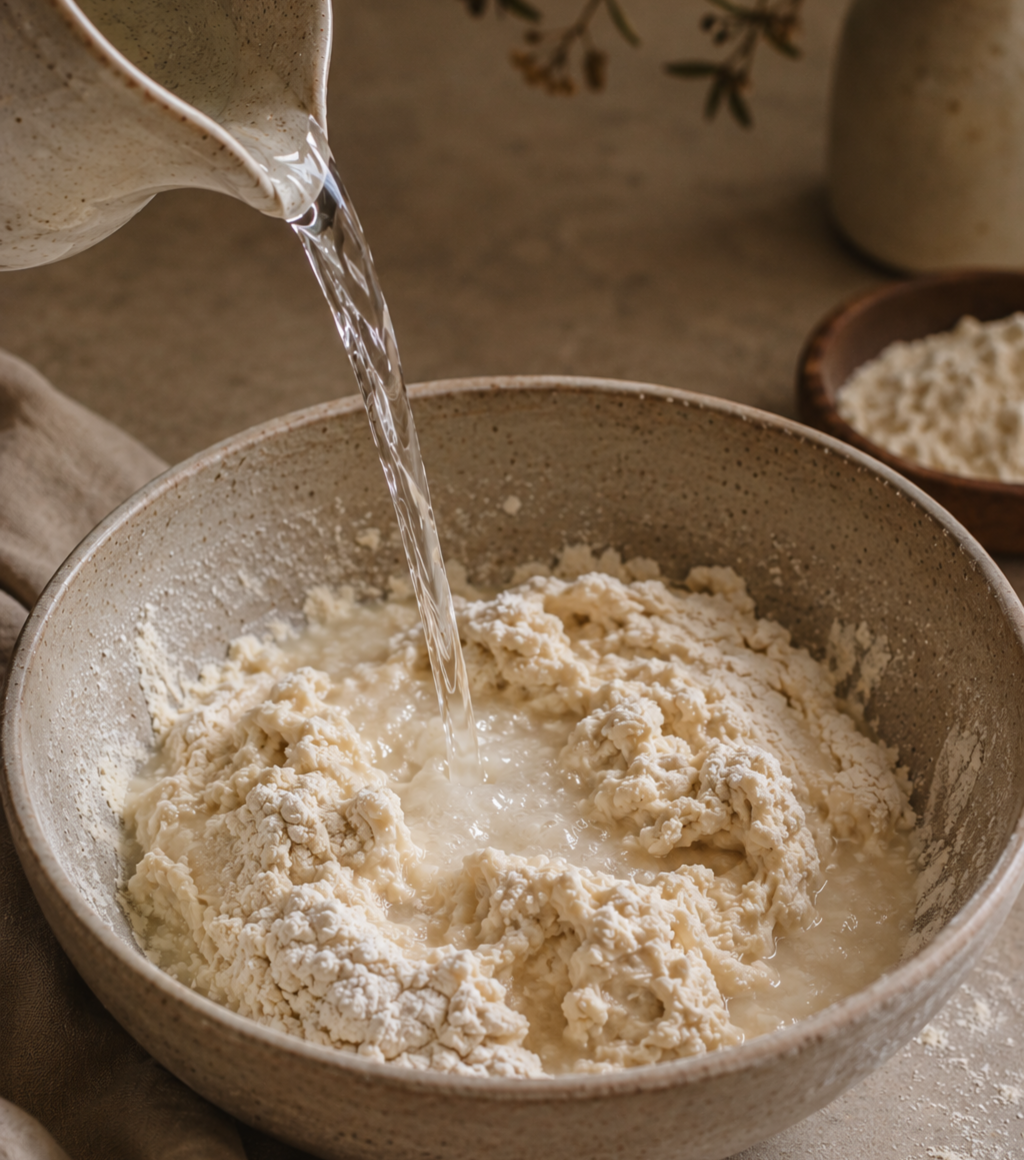
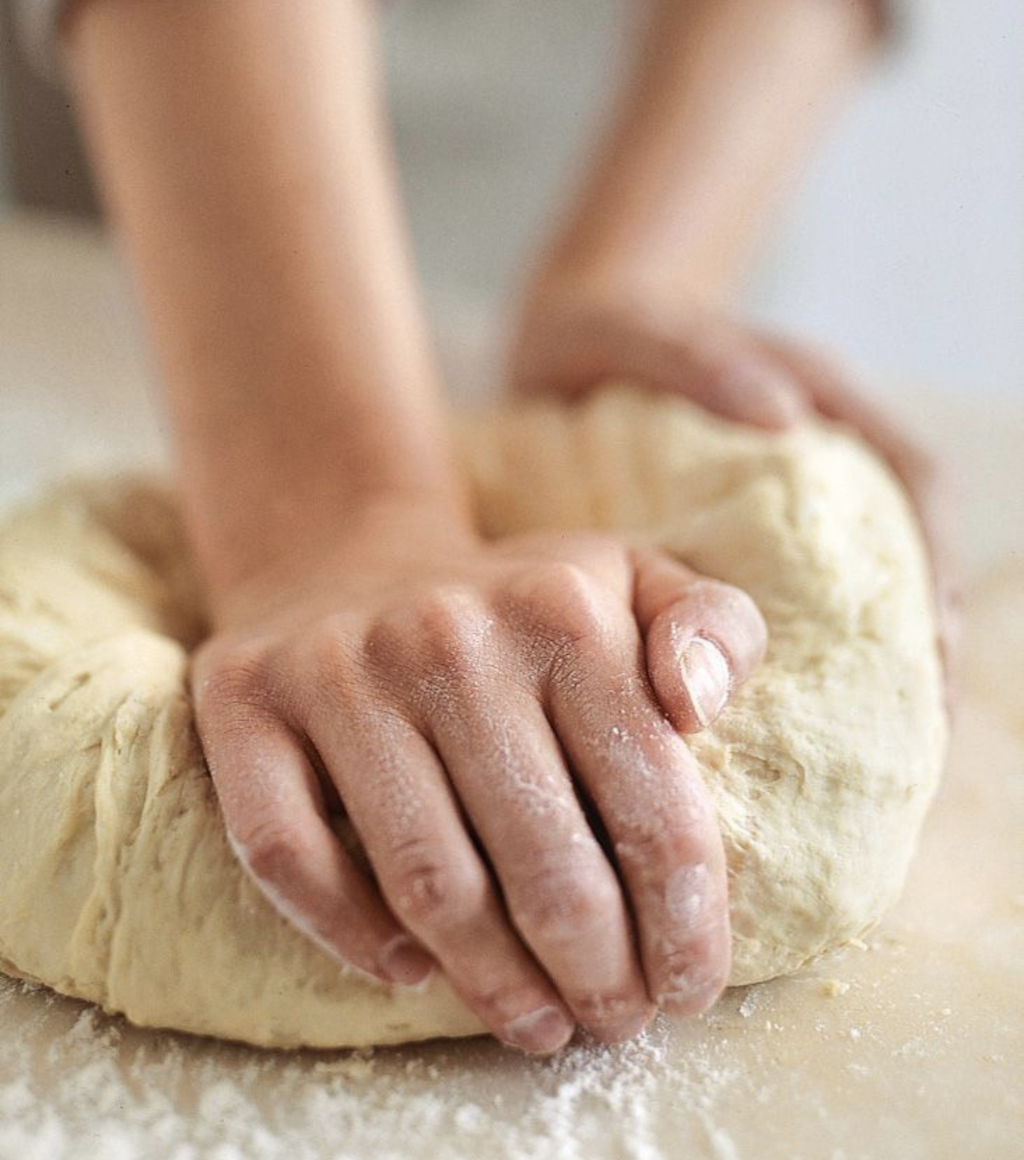
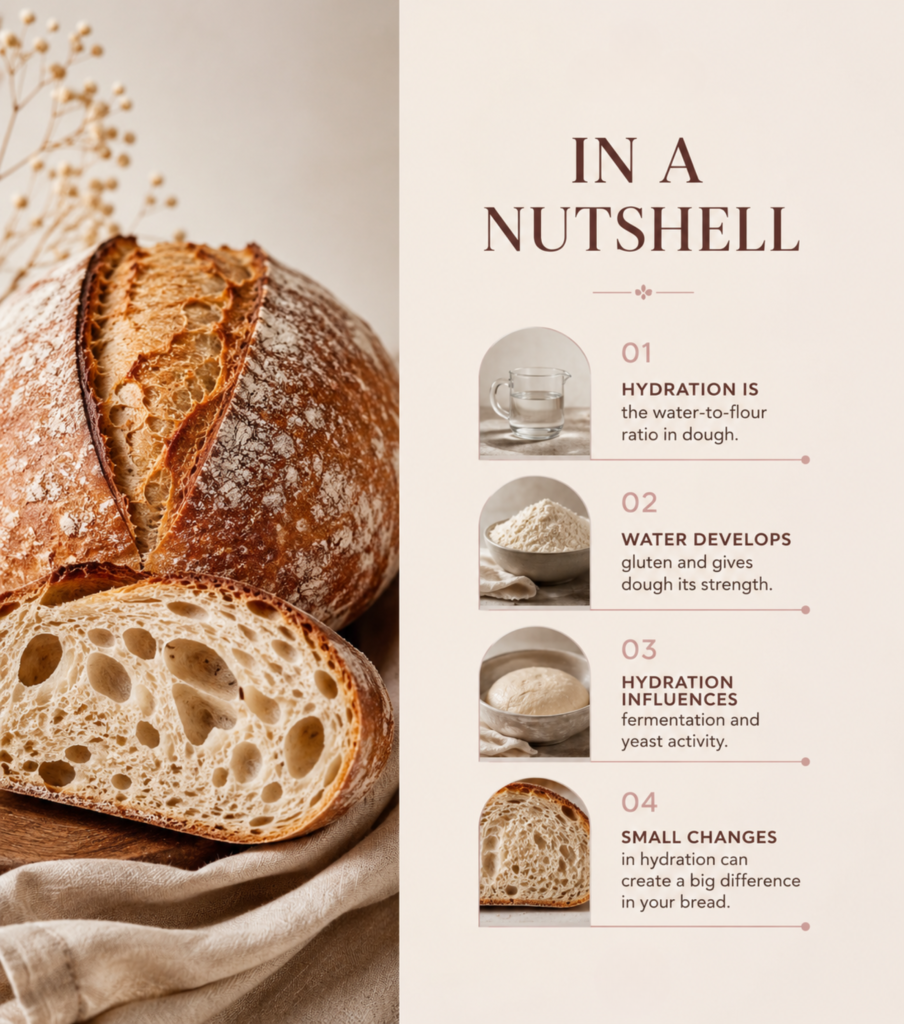
The amount of water in your dough determines texture, elasticity, fermentation, and the final structure of bread.

What Is Dough Hydration?

Eggs are one of the most versatile ingredients in baking.

They help cakes rise, bind ingredients together, enrich texture, and create structure — all while adding colour and moisture.

Whether used whole, separated, or whipped, eggs often determine the final success of a bake.

Common Hydration Levels

Low Hydration (50–60%)

  • Firm dough
  • Easier to handle
  • Dense crumb structure

Medium Hydration (60–70%)

  • Balanced dough
  • Soft texture
  • Suitable for sandwich breads

High Hydration (70–85%)

  • Sticky dough
  • Open airy crumb
  • Ideal for sourdough and ciabatta

Why Hydration Matters

Better Gluten Development

Helps build elasticity.

Improved Fermentation

Supports yeast activity.

Better Texture

Creates softness and structure.

Open Crumb Structure

Produces airy bread.

Factors Affecting Hydration

1. Flour Type

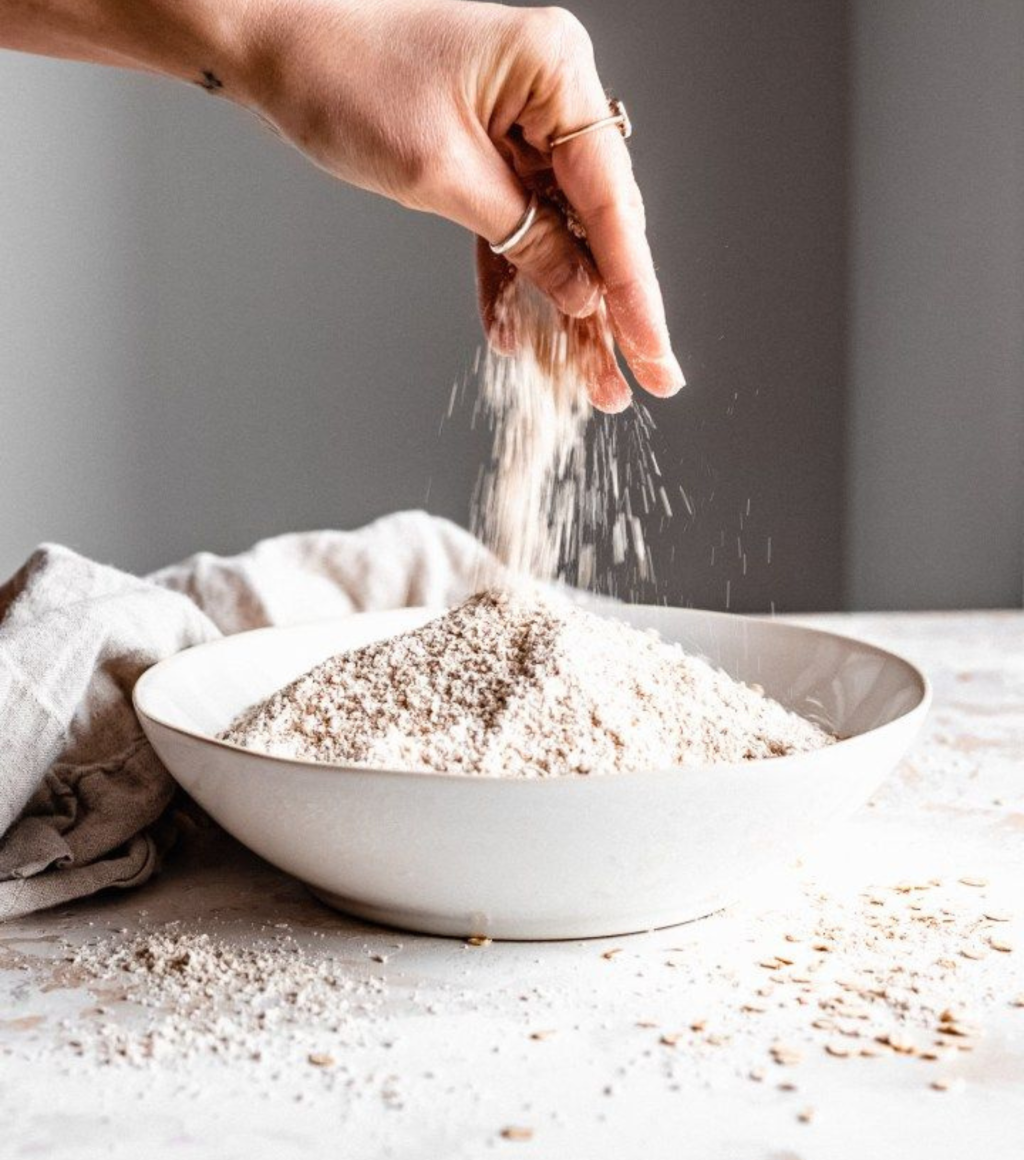
Different flours absorb water differently.

2. Weather Conditions

Humidity changes dough consistency.


3. Mixing Method

Hand mixing and machine mixing behave differently.

4. Recipe Type

Each bread requires different hydration levels.

⚠️ Common Hydration Mistakes

Dough Too Dry

Dough feels tight and stiff.

Dough Too Sticky

Excess water makes handling difficult.

Poor Gluten Development

Structure remains weak.

💡 Did You Know?

Even a 5% change in hydration can completely change the texture, crumb, and handling of bread dough.

⭐Baker's Note

The perfect dough begins with the perfect balance — hydration decides how your dough feels, ferments, and bakes.

0
    0
    Your Cart
    Your cart is emptyReturn to Shop